
Ever Tech Laser
Laser Cutting Machines.
Now our Laser Cutting Machines,laser welding machines, laser marking machines, are presented in 50 countries of the world.


Application
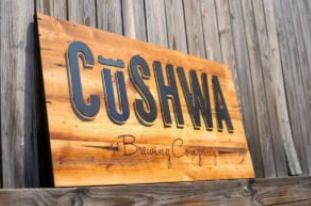
Commercial Signage Laser Cutting
Boost your brand visibility with professional Commercial Signage Laser Cutting. From precision-cut acrylic letters to durable metal and wood storefront signs, our laser solutions deliver clean edges and intricate details for high-impact indoor and outdoor displays. Build your identity with precision!
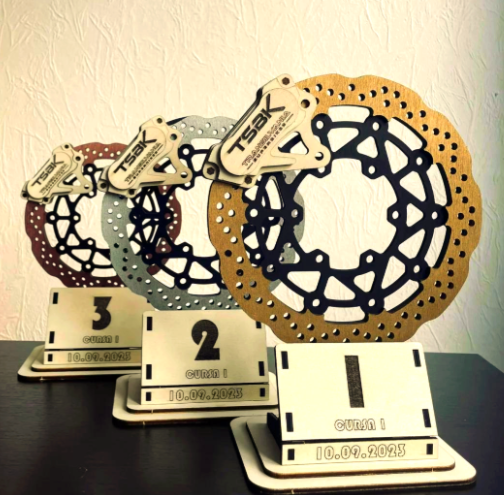
Laser Cutter Engraver for Awards and Trophies
As a cornerstone of the recognition industry, a Laser Cutter Engraver for Awards and Trophies transforms creative concepts into stunning, tangible honors.
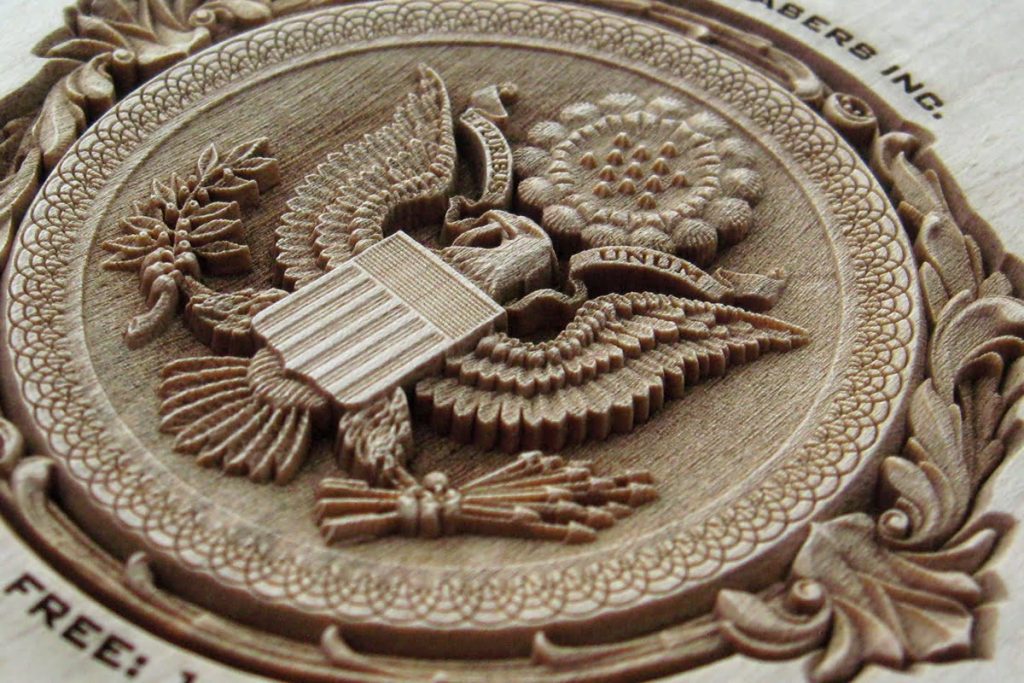
3D Laser Engraving
Unlock new dimensions with 3D Laser Engraving. Create breathtaking, high-definition reliefs and intricate internal carvings in glass, crystal, and wood. Elevate your awards and trophies with premium depth and lifelike detail. Discover the future of precision engraving today!
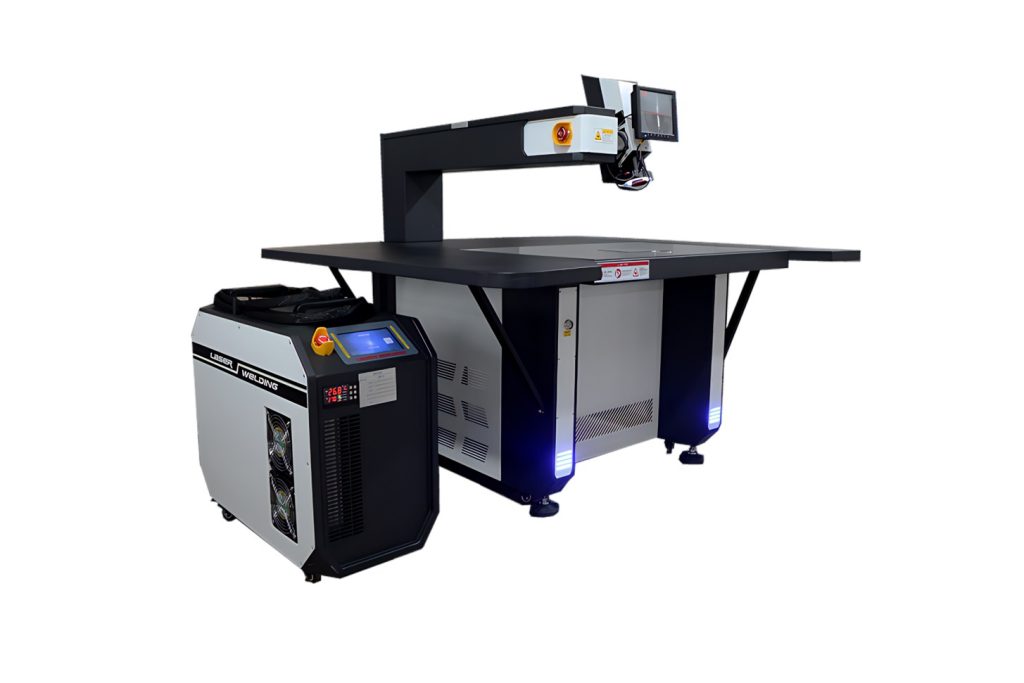
The role of fiber laser marking machines in the marking field
In the high-stakes world of industrial manufacturing, precision isn’t just a goal—it’s the standard. This is where fiber laser marking machines truly shine, acting as the high-tech workhorses of the modern assembly line.
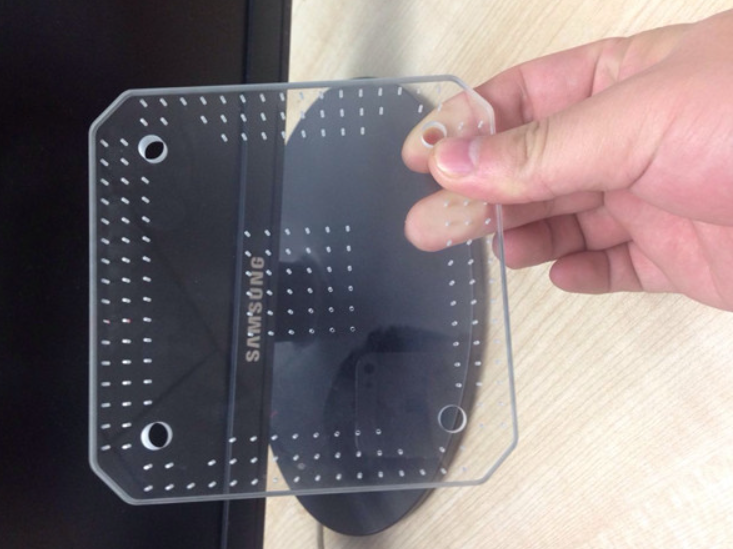
Application of Laser Cutting Technology in Glass
Glass is notoriously temperamental. It’s brittle, sensitive to heat, and prone to shattering if you look at it the wrong way. Historically, cutting it required mechanical scoring and breaking—a messy process that often left jagged edges. However, the Application of Laser Cutting Technology in Glass has turned this fragile material into a playground for high-precision engineering.
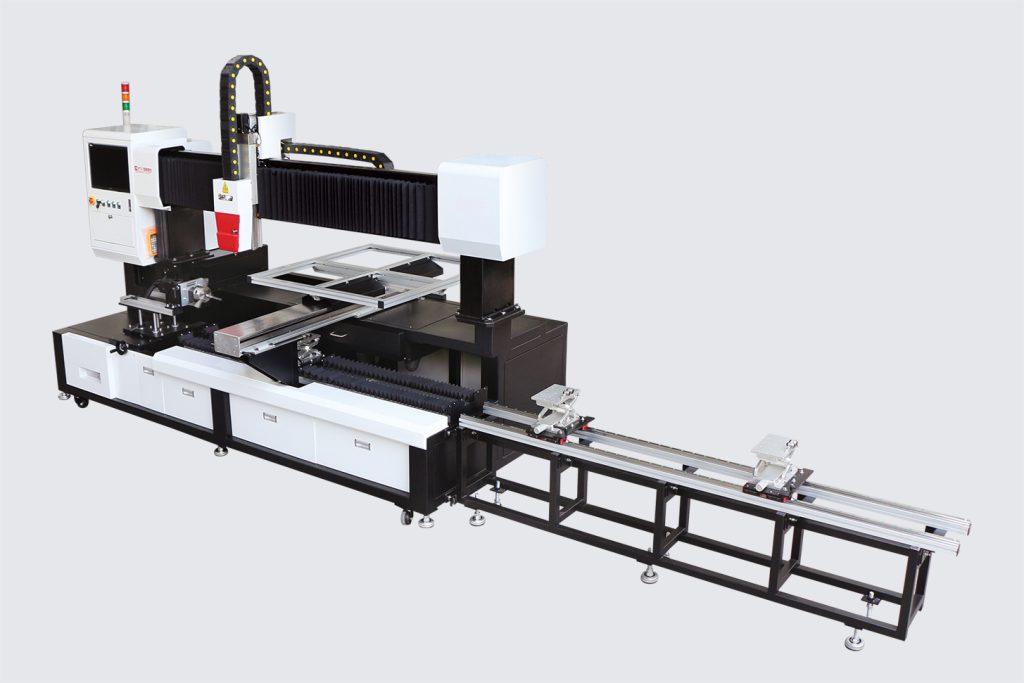
Application of 3D Fiber Laser Cutting Machine
The manufacturing landscape has shifted toward intricate, multi-axis designs that demand more than a simple X and Y coordinate. This is where the 3D fiber laser cutting machine steps in, offering a level of spatial freedom that was previously impossible without expensive manual labor or restrictive dies.
Materials
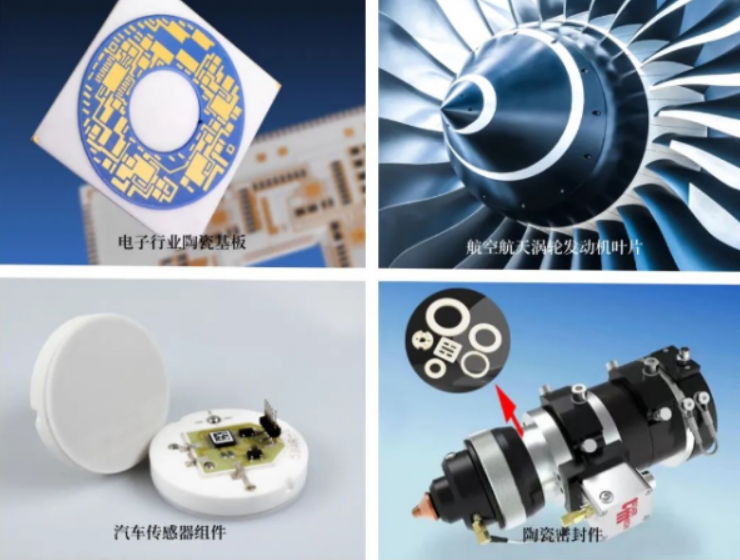
CO2 laser cutting of alumina ceramics
Precision manufacturing often relies on the CO2 laser cutting of alumina ceramics to produce high-density substrates for the electronics and aerospace industries. Because alumina ($Al_2O_3$) is both incredibly hard and thermally resistant, traditional mechanical sawing often leads to tool wear and chipping.
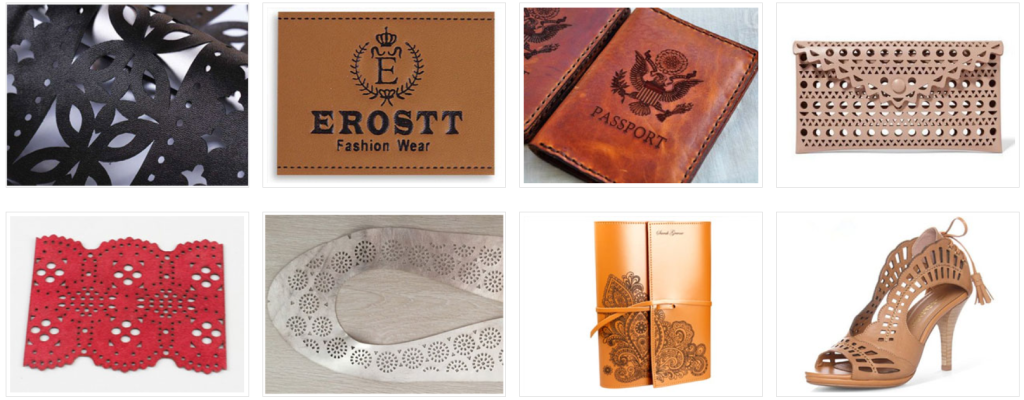
Laser Cutting and Engraving Leather
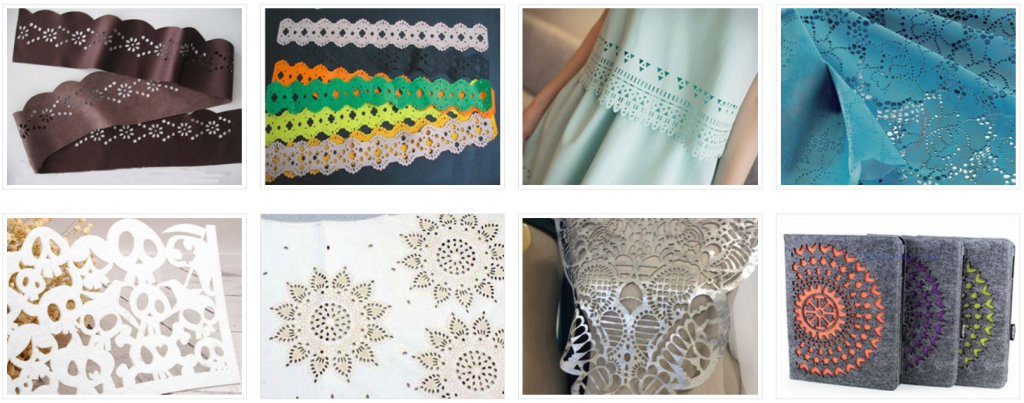
Laser cutting and engraving leather is a highly popular technique in the fashion, crafting, and upholstery industries. It allows for the creation of intricate patterns, precise cuts, and permanent custom markings on various types of leather, offering a level of detail that is nearly impossible to achieve with manual tools.
Laser Cutting and Marking Plastic
Laser cutting and marking of plastics is a widely used industrial process that leverages the power of focused light beams to slice through or imprint designs onto various plastic materials. This technology is prized for its ability to deliver high precision, speed, and quality finishes that are often difficult to achieve with mechanical tools.
Laser Cutting Wood
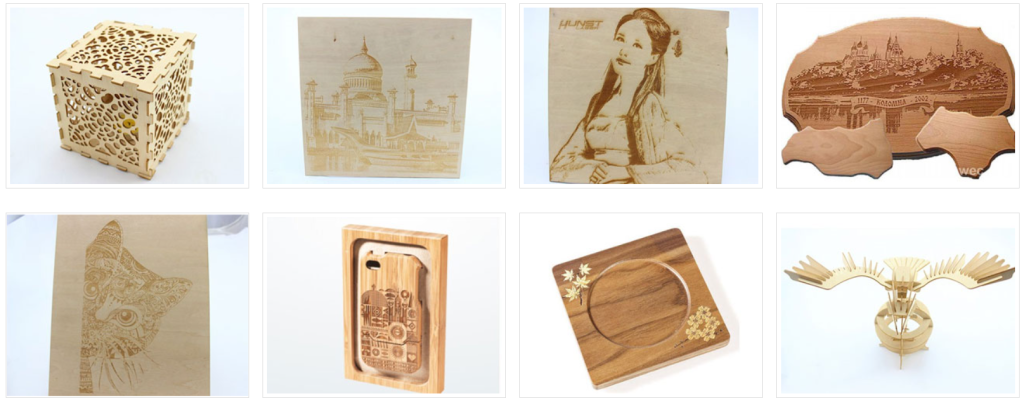
Laser cutting wood is a precise and versatile manufacturing process that uses a focused laser beam to cut, engrave, or mark wood.
This technology has become increasingly popular in woodworking and various other industries for its ability to create intricate designs with high accuracy and speed.
Laser Cutting Fabric
Laser cutting has revolutionized the fabric and textile industry, offering a precise, fast, and versatile alternative to traditional cutting methods. This technology utilizes a focused laser beam to cut or engrave materials with exceptional accuracy, making it ideal for everything from tough denim to delicate silk.
Laser Marking Glass
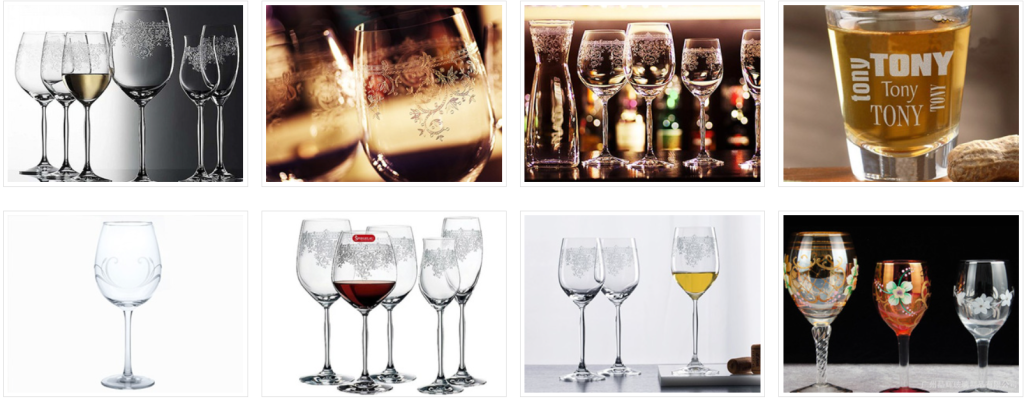
Laser marking on glass is a versatile and precise method for creating permanent designs, logos, and text on glass surfaces. It offers numerous advantages over traditional methods like sandblasting and etching.
Resource Center
Don’t fret over laser cutting of metal sheets anymore! Broken stripes and hard slag on the bottom? One trick to solve it
The art of laser cutting of metal sheets can sometimes feel like dark magic—one day it’s smooth as butter, the next you’re dealing with jagged “stripes” and stubborn slag that requires a chisel to remove. If you’re tired of wasting material and time, there is one primary “trick” that solves 80% of these finishing issues.
Laser engraving, with its vast array of varieties, offers us a glimpse into the dawn of technology
Laser engraving is a very popular new printing method in recent years. Our impression of printing usually stays at black and white paper and single-sided printing. Little do we know that there is a new technological way of doing it, which is laser engraving. In fact, it has already entered our lives.
Is laser cutting FPC the same equipment as laser cutting stainless steel?
Laser cutting FPC and laser cutting stainless steel materials have certain similarities under certain specific conditions. Multiple light sources can be used for processing, but the processing effects are different. The differences in processing between the two materials are also obvious. UV laser cutting machines can only process thicker stainless steel materials, while fiber laser cutting machines cannot process FPC materials.
How can the advertising processing industry be without fiber laser cutting machines?
For the cutting of metal characters, I believe everyone has a certain understanding of fiber laser cutting technology. Fiber laser cutting machines uses a laser beam to irradiate a metal workpiece and release high energy to melt and evaporate the workpiece, thereby achieving the effect of character cutting and image engraving. Laser cutting has the characteristics of high brightness, high directionality, high monochromaticity, and high coherence, and has become the new generation of “processing weapons” for metal characters in the advertising industry
Laser welding: the trend of “smart manufacturing” in automobiles
In the high-tech landscape of 2026, the automotive factory has transformed from a series of mechanical pulleys into a self-optimizing “neural network.” At the center of this evolution is laser welding, which has transitioned from a simple joining tool into a data-driven surgical instrument that defines modern smart manufacturing.
Laser Welding Technology: Application in Electric Vehicle Battery Manufacturing
As the automotive world accelerates into 2026, the shift from internal combustion to electric propulsion has fundamentally changed the factory floor. At the heart of this transition is the battery pack—a complex assembly of thousands of individual parts that require extreme precision to function safely and efficiently. Laser welding technology has emerged as the critical driver of this manufacturing evolution, replacing traditional mechanical and thermal joining methods with a digital, non-contact solution.
FAQ
IS THERE A RADIATION HAZARD INVOLVED WITH YOUR LASER SYSTEMS?
IS THERE A RADIATION HAZARD INVOLVED WITH YOUR LASER SYSTEMS?
No, there is no cause for concern. The energy emitted during laser operation is infrared radiant energy, which works by gently heating the material from within rather than through harmful radiation.
WHAT IS THE MAIN SAFETY CONCERN WHEN OPERATING THE LASER SYSTEM?
WHAT IS THE MAIN SAFETY CONCERN WHEN OPERATING THE LASER SYSTEM?
Overall, modern laser systems are designed with multiple safety features and are safe to operate when used properly and in accordance with guidelines. Similar to all CNC machinery, open‑bed Class 4 laser systems do require appropriate eye protection during operation, as direct or reflected laser radiation can cause eye injury.
HOW DOES THE LASER CREATE THE DEPTH OR 3D EFFECT IN THE WOOD?
HOW DOES THE LASER CREATE THE DEPTH OR 3D EFFECT IN THE WOOD?
Our laser system creates a realistic 3D effect by engraving at variable depths based on grayscale values. The KCAM software is capable of recognizing and processing a full range of 256 distinct shades of gray, where each shade directly corresponds to a precise engraving depth command for the laser.
HOW FAST CAN I ENGRAVE?
HOW FAST CAN I ENGRAVE? Engraving speeds on Kern Laser systems typically range from 100 to 150 inches per second for standard surface engraving applications. This process utilizes relatively lower laser power to create clean, shallow markings on the material surface without significant depth removal, making it ideal for logos, text, serial numbers, and decorative surface detailing.
HOW FAST CAN WE CUT THE MATERIAL?
HOW FAST CAN WE CUT THE MATERIAL? It depends. Laser cutting speeds depend on three primary variables:
Laser wattage
Material type
Material thickness
HOW THICK OF MATERIAL CAN I CUT?
HOW THICK OF MATERIAL CAN I CUT? Processing results are not fixed, but are primarily determined by three key factors:
Laser power (wattage)
Specific type of material being processed
Actual thickness of the material
Contact Us
Make An Appointment
We help you solve your ETL laser machine problems.mauris vitae ultricies.